Use cases
Every gathering, every language
From weekly Sunday services to international conferences, Church Translation Live adapts to the way your church gathers.
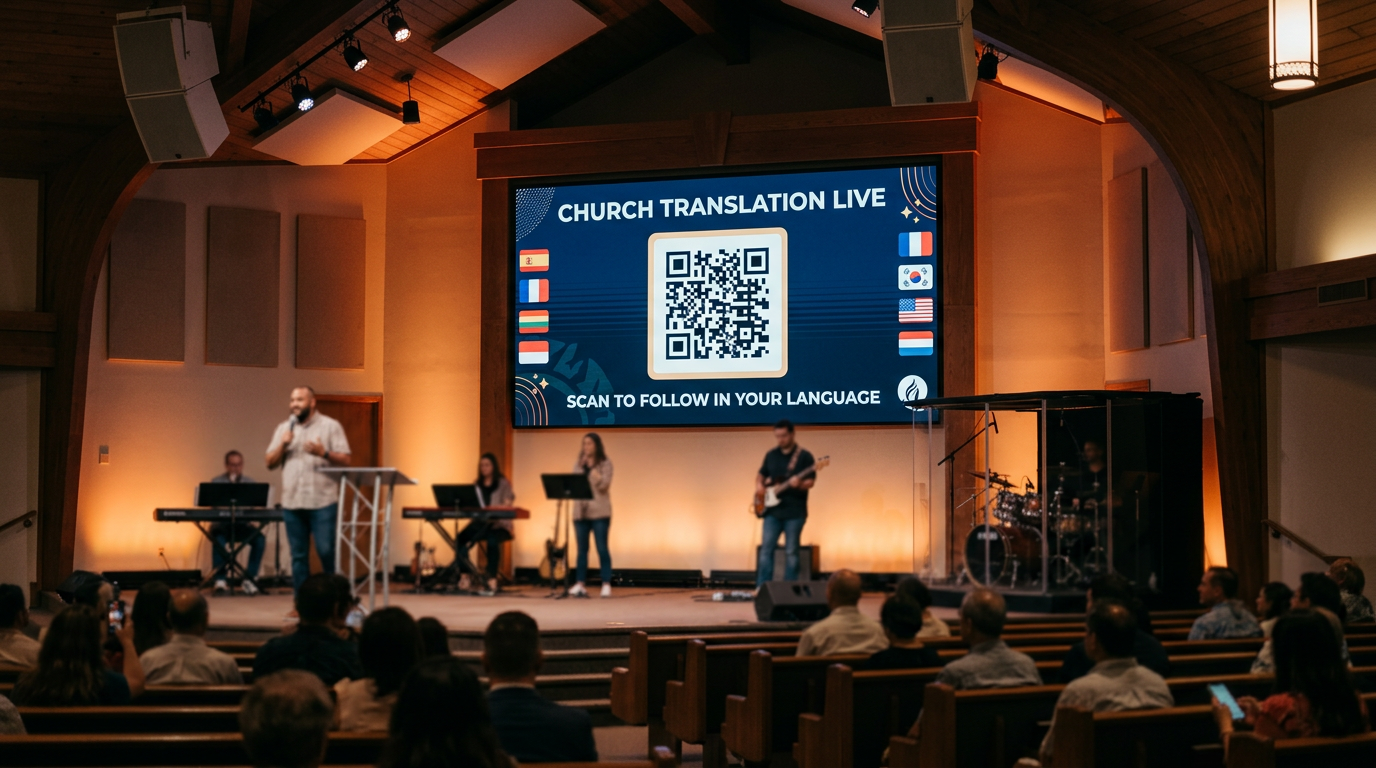
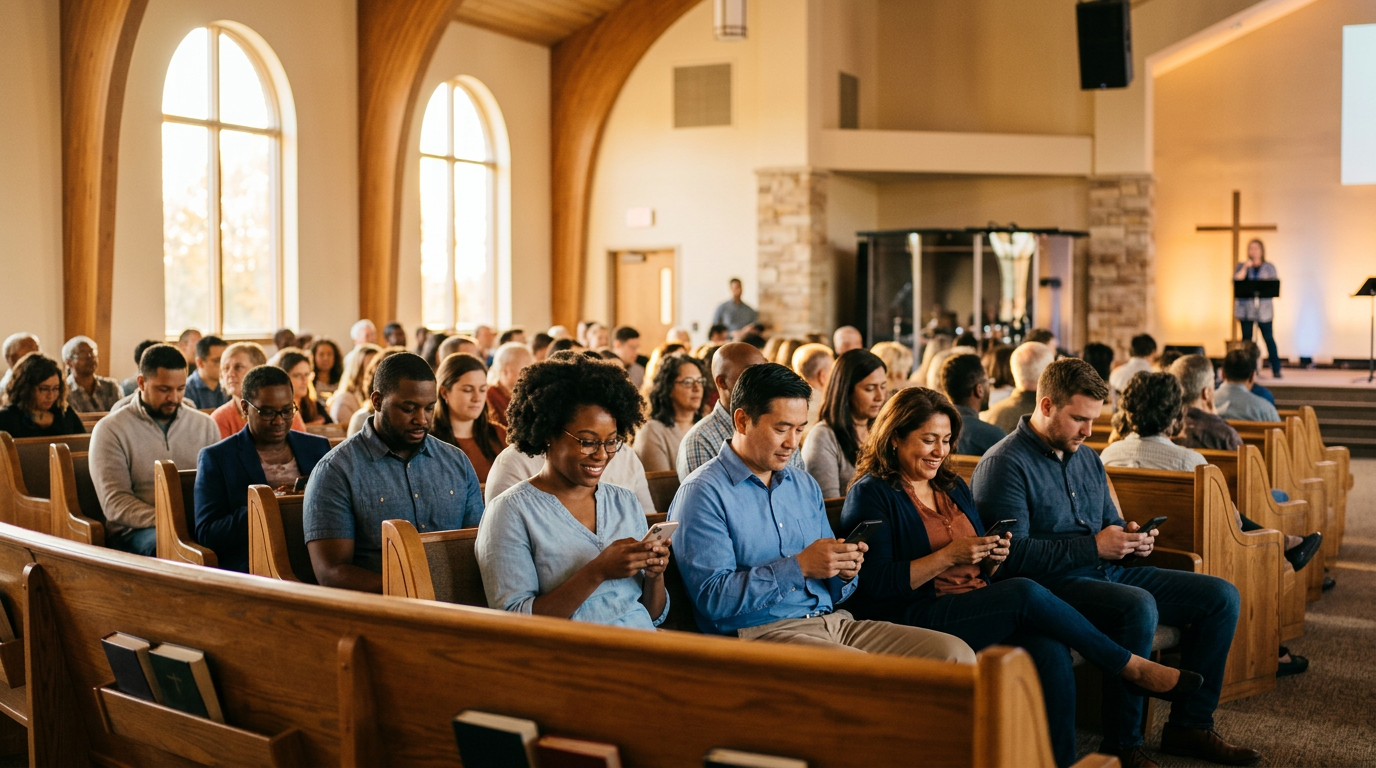
Your congregation includes members from Poland, Romania, Nigeria, and the Philippines — as well as long-standing English-speaking members. Every Sunday, the international members follow what they can, but they're missing 40–60% of the sermon. Some have stopped coming to the main service and attend a smaller translated service instead, which fragments the community.
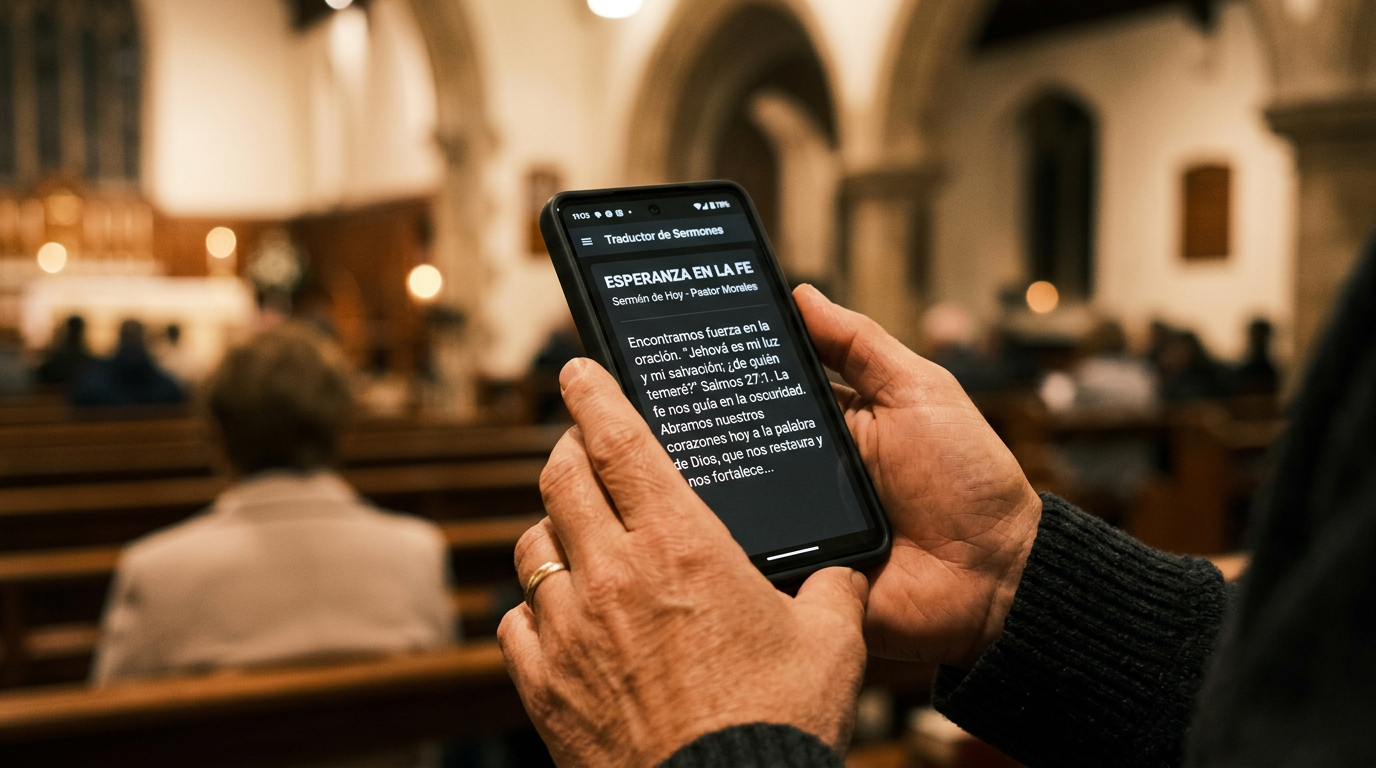
Before the service, display the QR code on screen while announcements run. International members scan it and select their language. When the sermon begins, translated text appears on their phones in real time. They sit alongside everyone else, in the same service, fully included. Your tech volunteer monitors listener counts from the dashboard — the setup is unattended from that point.
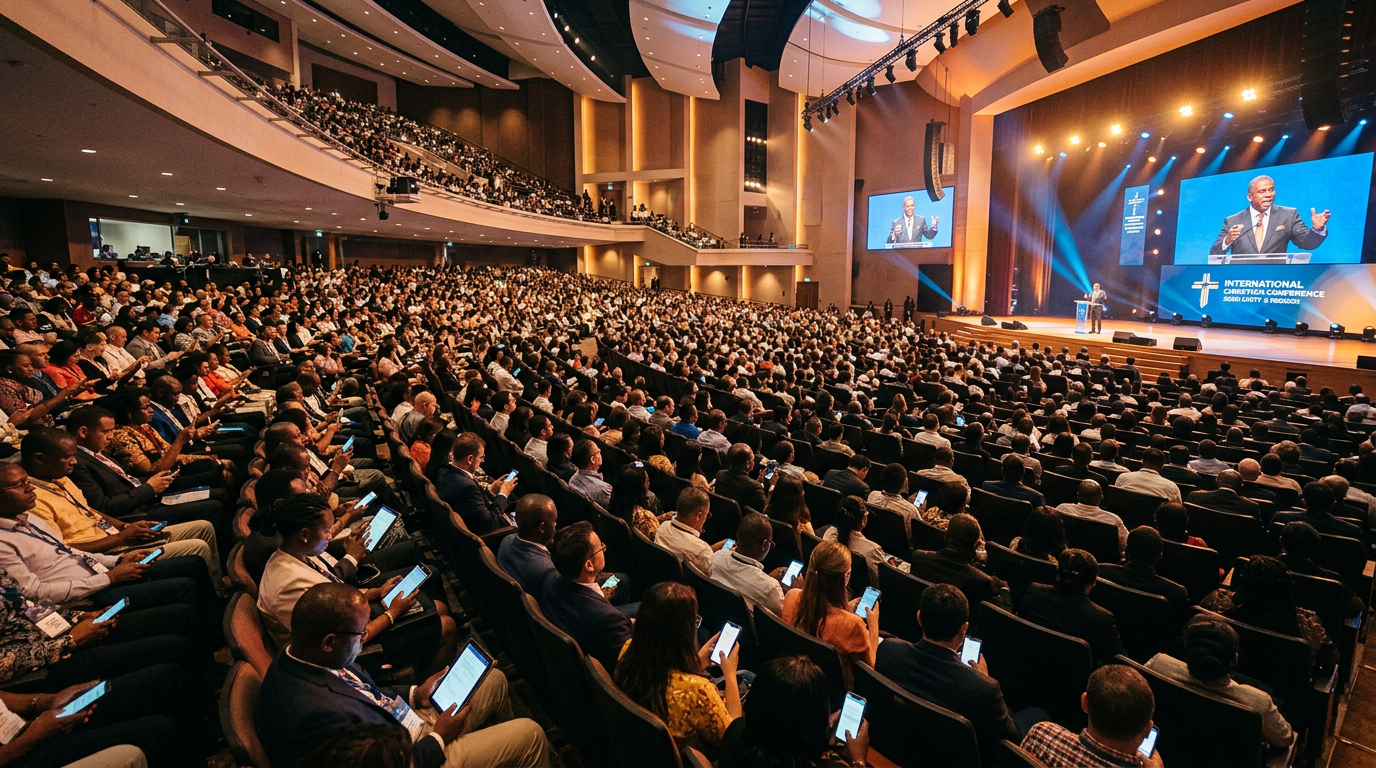
You're hosting a three-day conference with speakers from five countries and delegates from across Europe. You have volunteer interpreters for Spanish and French, but no capacity for Polish, Romanian, or Dutch. Delegates from those countries get significantly less from the event than English speakers.
Create a session for each conference talk. Listeners join with the same QR code and see a new session appear for each talk automatically. Your volunteer interpreters continue their work via human interpreter channels — their audio goes to their language's listeners. AI covers the remaining languages. Each session is transcribed, and the conference can publish multilingual notes for delegates to download after the event.
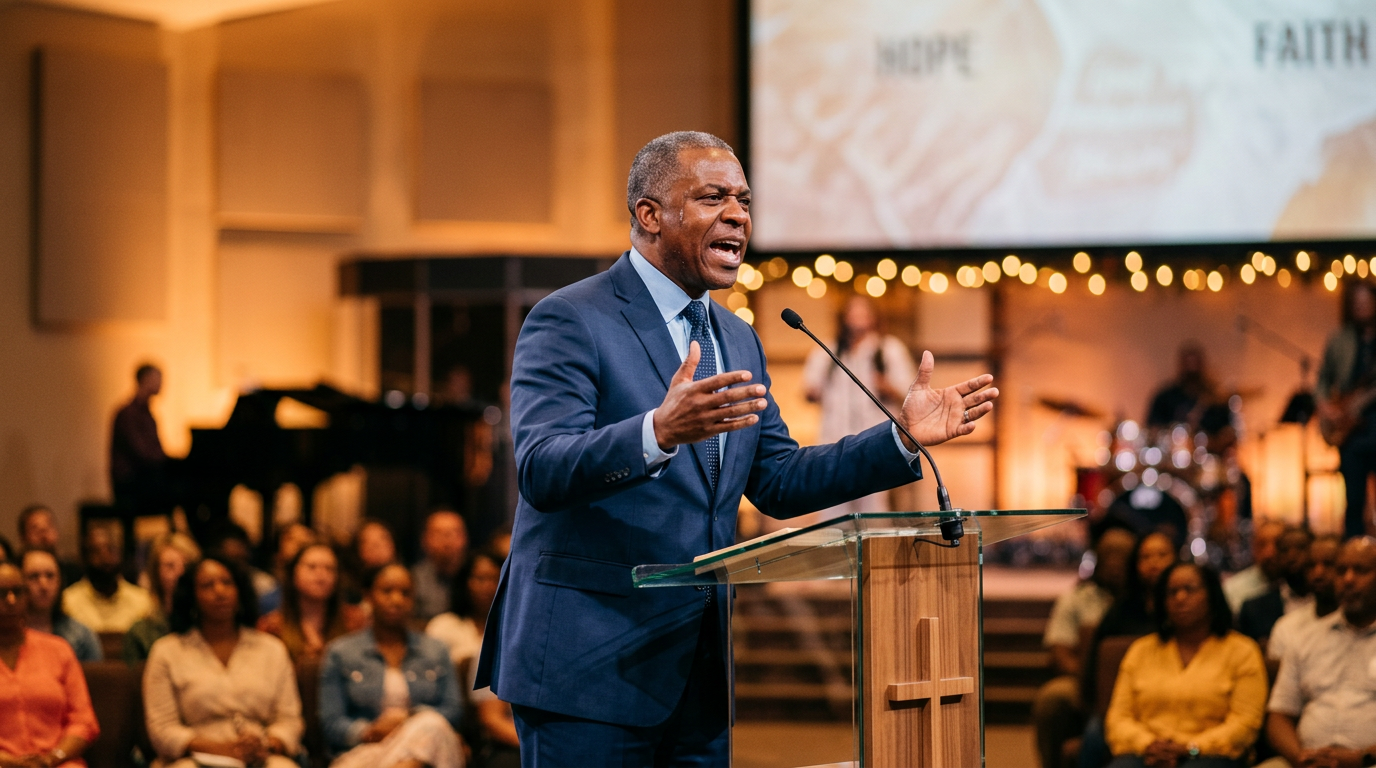
You've invited a pastor from Ethiopia to speak during your mission week. His message will be translated live by a volunteer interpreter — but you have 15 Ethiopian members who would benefit from hearing it in Amharic, and a large group of Polish members who speak neither English nor Amharic.
Set the session's source language to English (the live interpreter's output). Church Translation Live translates that English in real time into Amharic, Polish, and any other languages you've configured. The visiting pastor preaches in English; his message reaches every nationality in your congregation simultaneously. No additional volunteers needed.
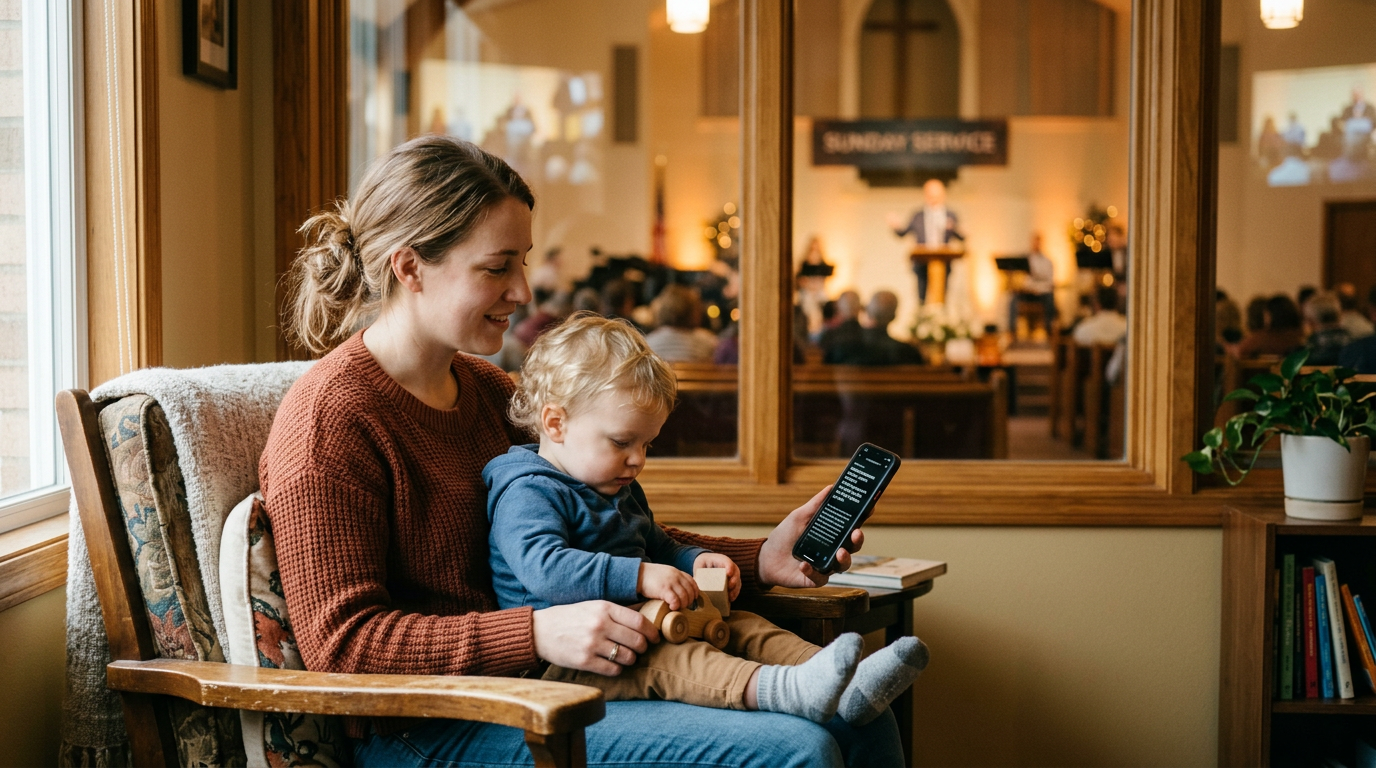
Your family room has a screen showing the service feed, but no audio — the room is too loud with children. International parents caring for young children miss the sermon entirely. Some have started skipping church altogether because the experience feels worthless while their children are small.
Parents in the family room read the translated sermon on their phones while keeping an eye on their children. Because the listener page is text-based and works on any phone, there's no additional setup required. For English-speaking parents, the source transcript can also be displayed — so the feature serves everyone in the room, not just those needing translation.
Your main auditorium is full, and you have an overflow room on a different floor watching a screen feed. You also have a second site three miles away watching a live stream. Neither location currently receives translated audio — the headset radio system doesn't extend that far.
Because the listener page is browser-based, anyone with a phone and an internet connection can access the translation — regardless of where they're physically sitting. Overflow room attendees and second-site members join the same session and receive the same live translation as the main auditorium. The audio relay feature can also stream original audio to overflow screens with approximately 500ms delay.
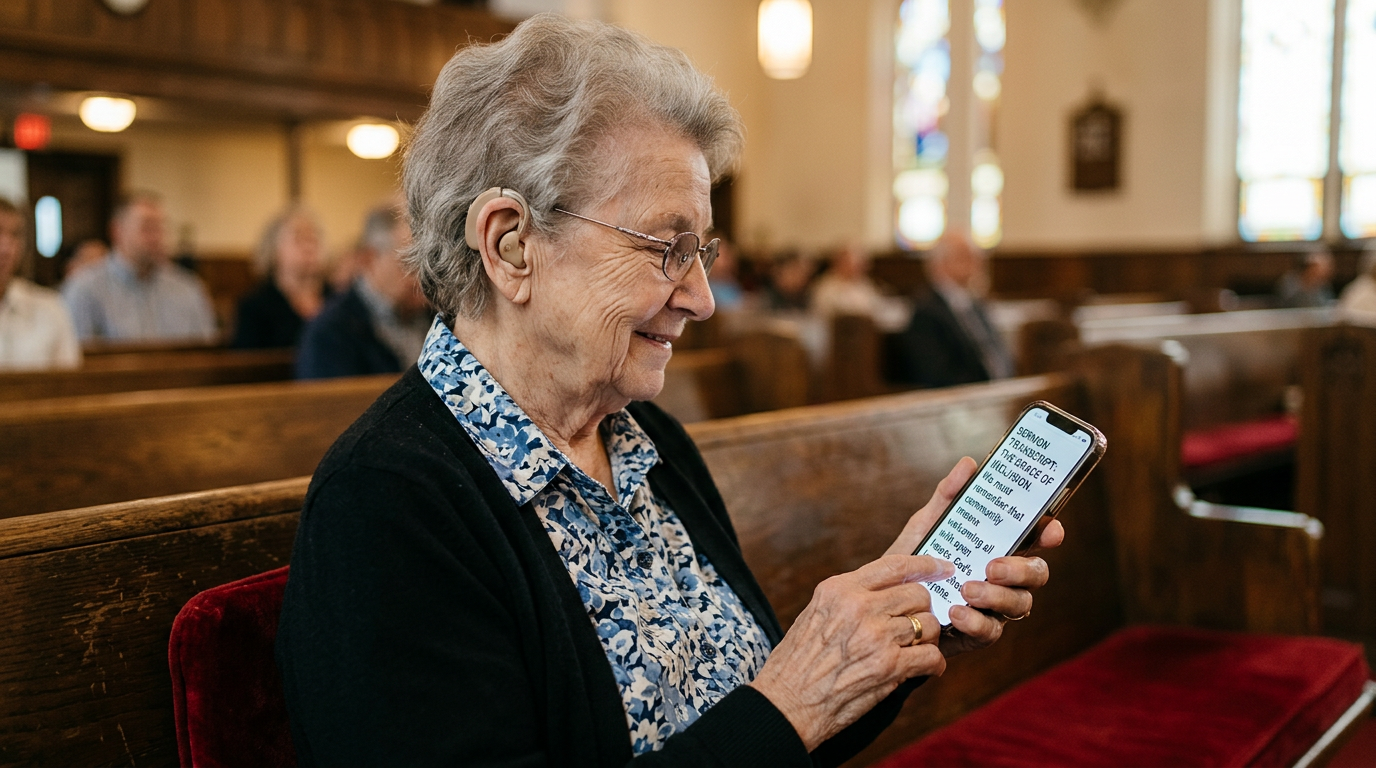
Several members of your congregation are deaf or hard of hearing. The church has a loop system, but those who rely on lip-reading or sign language still miss significant portions of the sermon. A large-print transcript would help, but printing it in advance is impractical and forces the speaker to submit notes early.
Even without translation, the live transcript gives deaf and hard-of-hearing members a real-time text feed of exactly what is being said. Font size is adjustable to 28px for those with visual impairments. For members who do speak English but prefer to read, the source language transcript is always available alongside translations.
Your summer youth camp draws young people from across Europe through partner churches. Morning devotions and evening meetings are in English, but a third of the young people are not fluent. The camp has Wi-Fi but no AV infrastructure — just a laptop and a microphone.
A basic laptop microphone or a USB desk microphone is sufficient for a camp setting — no sound desk required. Create a session, share the QR code at the start of each meeting, and young people read along in their language throughout. No headsets, no booths, and no additional volunteers to coordinate.